The 3-Inch Rule:
Why Mowing Height is the Secret to a Weed-Free Lawn
"In the 100°F Boise heat, your lawn is a thermal buffer. Discover why a 2-inch cut is cooking your roots and fueling Puncturevine growth."
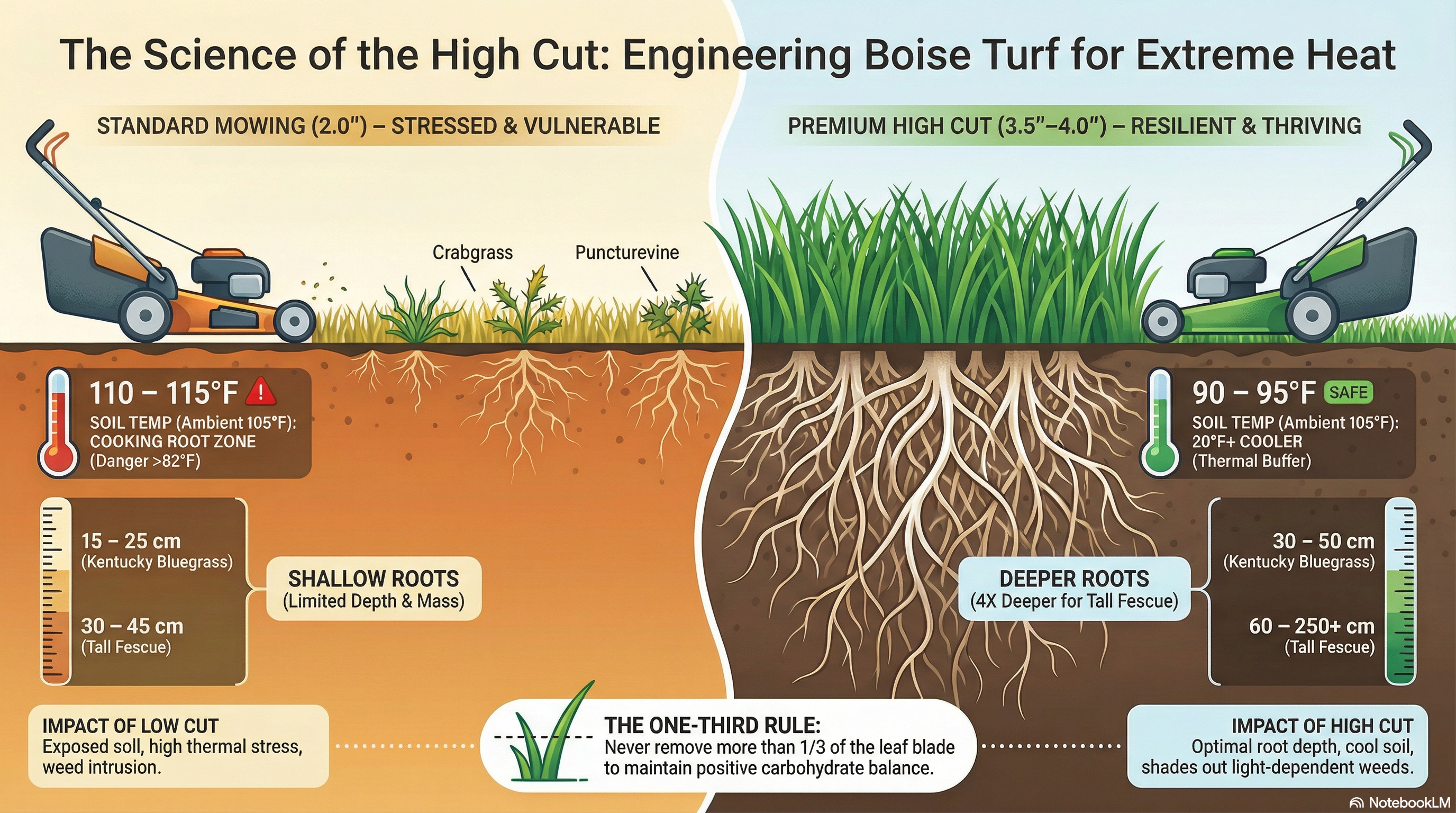
Figure 1: The Bio-Thermal Shield. Scientific analysis of canopy height effects on soil temperature and root-to-shoot ratios in the high-desert Treasure Valley.
The Root-to-Shoot Factory
In turfgrass science, there is an undisputed principle known as Rhizosphere Engineering. The depth of a plant's root system is directly mirrored by the height of its canopy.
When you maintain turf at a lush 4.0", the plant is signaled to push its root systems 12-20" deep into the soil. Conversely, frequent 2.0" cuts physically stunt this process. The infrastructure comparison illustrates the 94% root mass entrapment found in commercial-cut turf.
Infrastructure Deficit
2.0" Cut
Shallow Roots, Thirsty, Stressed.
4.0" Cut
Deep-Well Roots, Resilient.
The 70-Degree Rule
Cool-season grasses experience physiological shutdown when soil temperatures exceed 70°F. During a 100°F Boise summer, exposed soil practically bakes.
As visualized in the Bio-Thermal Shield data above, the 20°F temperature delta generated by a 4" canopy acts as a crucial biological air conditioner for the rhizosphere, allowing roots to continue growing and uptaking nutrients while short-mown lawns forcefully enter heat dormancy.
Thermal Shield
A tall canopy shades the soil, dropping ground temperatures by up to 20°F and dramatically reducing moisture evaporation rates.
Competitive Exclusion
Weeds like Crabgrass and Puncturevine (Goatheads) require intense sunlight and bare, warm soil to germinate. A dense, tall canopy utilizes the principle of Competitive Exclusion. By physically blocking light and heat from reaching the soil surface, weed seeds remain dormant. A thick lawn is its own pre-emergent herbicide.
Hydrological Efficiency
Short-mown lawns require shallow, daily watering cycles just to survive the heat, creating weak, dependent plants. A 3-to-4 inch canopy with deep roots thrives on Deep and Infrequent irrigation. This pulls roots further down, saving massive amounts of water while creating a fortress of green turf that outcompetes local weeds.